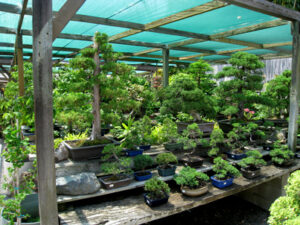
Bonsai trees have been seen in records dating back to some of the earliest dynasties in China as simple, small trees that were placed in shallow containers. These can be spotted in many ancient drawings and feature many of the trees that were found in mountainous regions of China. The Japanese took the current interpretation of the bonsai as we know it today and developed it into the hobby that countless people know and love.
2. Chinese and Japanese Bonsai Are Very Different
Japanese bonsai growers tend to favor more natural-looking varieties in order to replicate the look of the tree in its natural environment, while Chinese bonsai growers are known to allow the trees to grow in a more freeform shape and only alter the growing process for a bit of pruning.
3. Patience is a Virtue
One of the most important aspects of bonsai cultivation is embracing the learning curve and leaving room for trial and error. Every tree has its own share of faults, so it's vital that bonsai growers do their fair share of research to see how they want their trees to turn out after the growing process. Additionally, many trees don't start out as being very attractive, but by persevering through the process and following the advice of bonsai growers around the world, it can turn into an instant showpiece for a person's home.
Bonsai trees are one of the most innovative plant gifts on the market today, but it takes a special temperament and plenty of trial and error to grow them effectively. These could be a great plants for friends who have meticulous personalities to see its growing process through to the end.